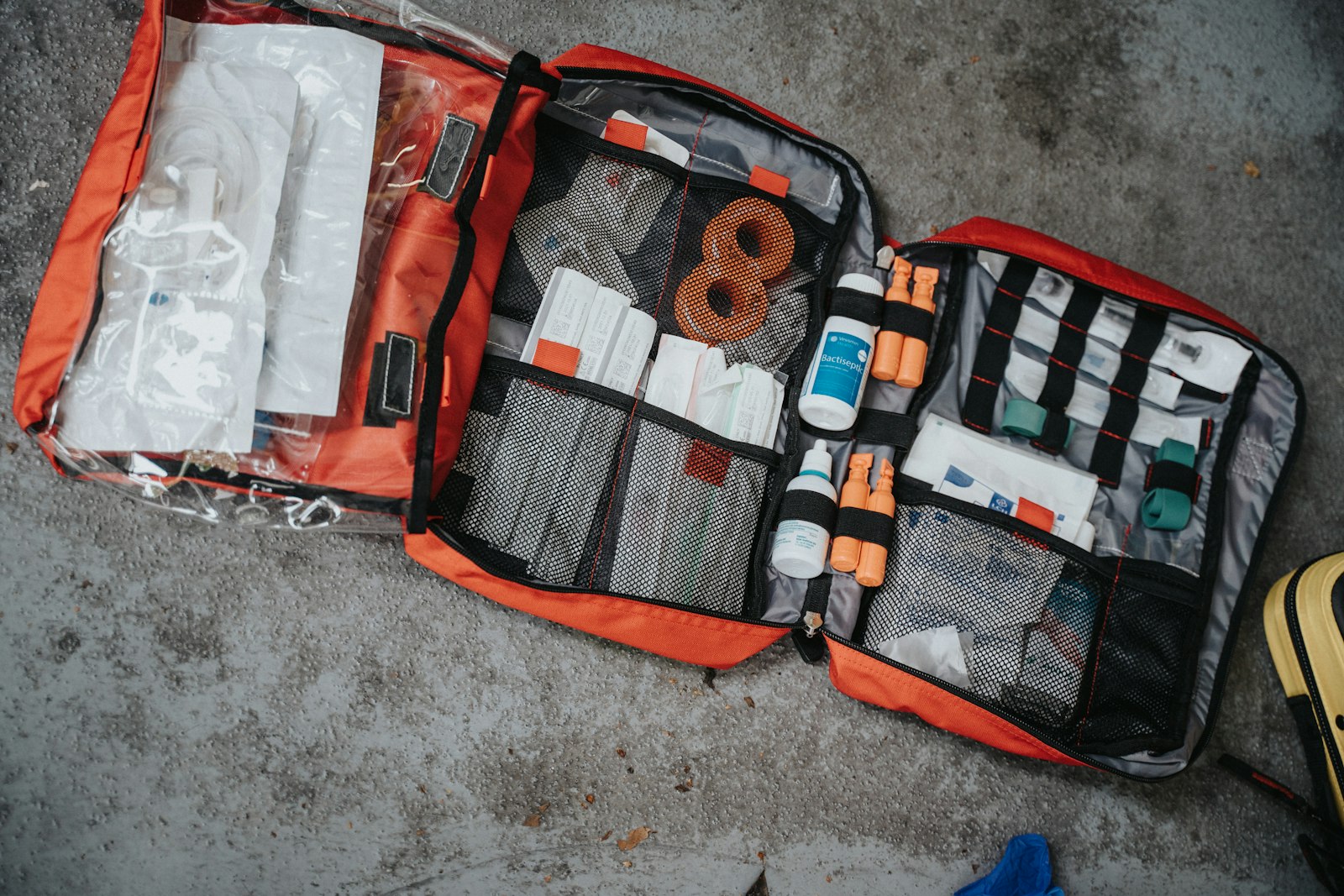
A first aid kit for storm season
After a storm, clinics may be closed and roads may be blocked. A home kit will not replace a doctor. It covers the cuts, fevers, and daily medicines that show up while you are waiting.
The core of the kit
- Adhesive bandages, sterile gauze, and tape
- Antiseptic wipes and plain soap
- An elastic bandage and a triangular cloth for a sling
- Tweezers, scissors, and disposable gloves
- A thermometer
- Pain and fever medicine you already know how to dose
- Any personal items: inhalers, epinephrine if prescribed, glucose for diabetes, and a spare pair of glasses
Ask a pharmacist about keeping an extra supply of daily prescriptions before the season. Do not wait until the pharmacy is flooded or the road to it is closed.
After the water drops
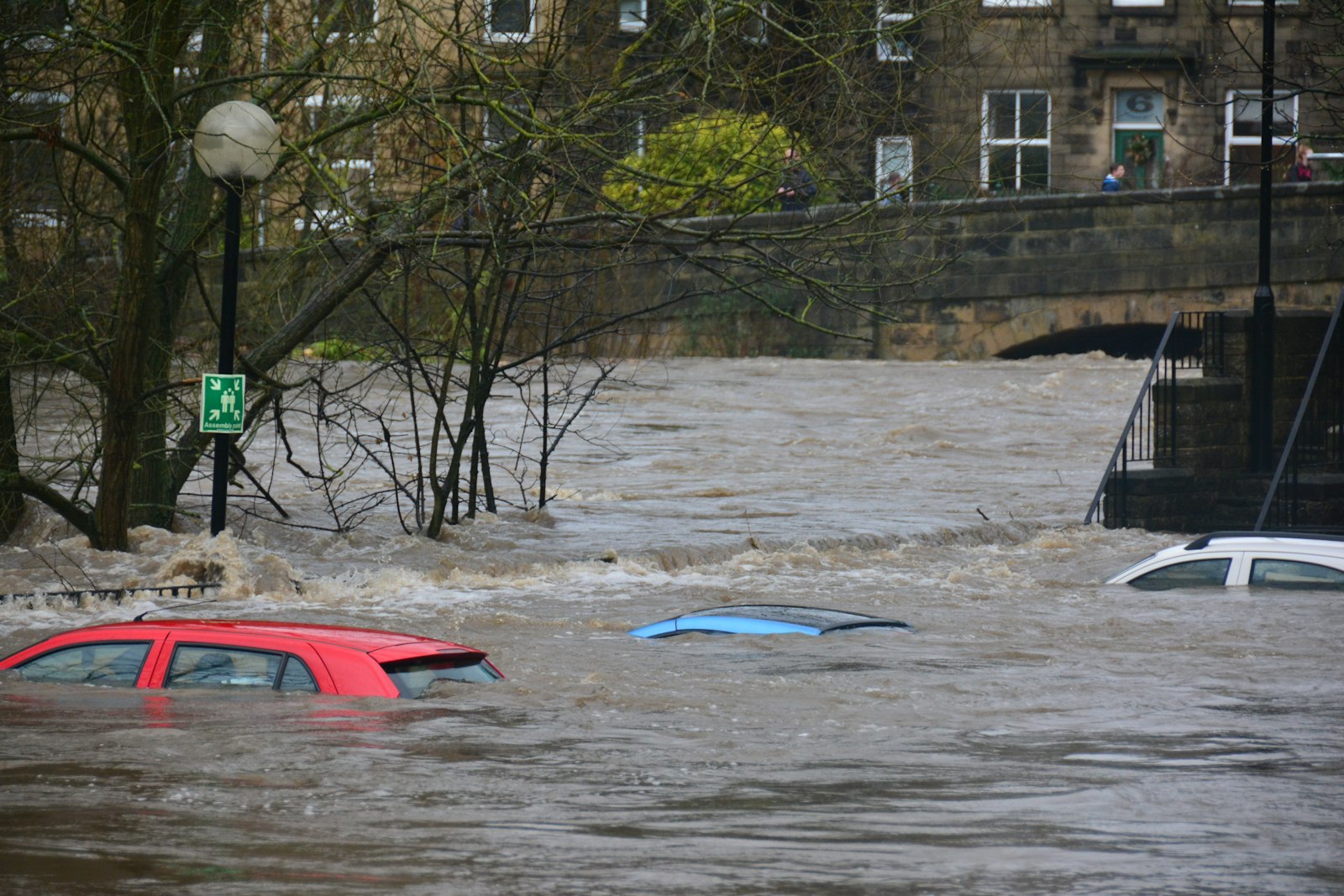
Floodwater can contain sewage, fuel, and debris. Wear boots and gloves for cleanup, wash cuts with soap and clean water, and watch for wounds that redden or swell. Standing water is also where mosquitoes breed, so empty containers in the yard once it is safe to go outside.
Keep a written list in the kit: names, allergies, medicines, and the phone number of each doctor. A photo of that list on your phone is useful. A paper copy still works when the phone is dead.
Supplies to look at
Some links on this site are Amazon affiliate links. If you buy through them, we may earn a commission at no extra cost to you.
Home first aid kit
Start with a stocked kit, then add the medicines and personal items your household uses.
View on AmazonNitrile gloves and cleanup boots
Gloves and waterproof boots matter as much as bandages when you are cleaning after a flood.
View on AmazonWaterproof document pouch
Keep prescriptions, insurance papers, and identification dry and in one place.
View on Amazon